

In the past, marketing used to be a one-way effort, without personalization, brand awareness, or building communities. Luckily, that practice is long gone and forgotten, with modern marketing revolving around personalized approaches that take the consumer needs into account and improve their experience. This is where strategies like marketing in Spanish become relevant, since they’re a way to reach and connect with people that are actively looking for your services. However, there are some mistakes that, instead of bringing more patients in, could be driving them away. Keep reading to learn about common mistakes when doing bilingual marketing in Florida.
The Spanish-Speaking Landscape in Florida
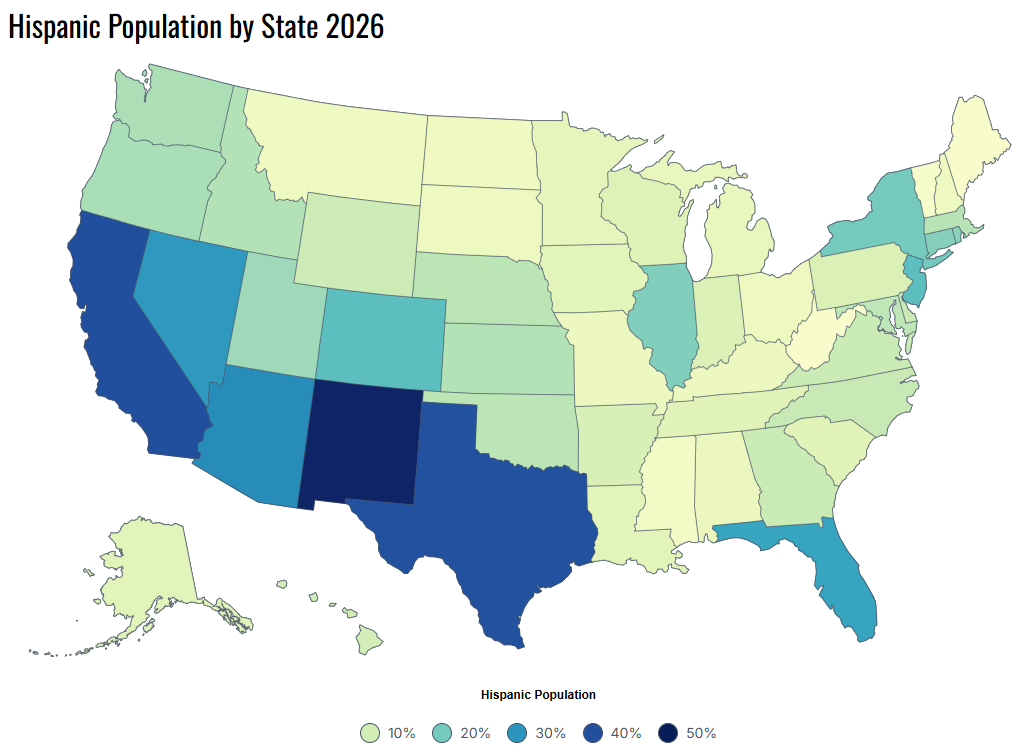
Spanish-speaking communities are a growing population all around the world and Florida is no exception. Out of the 22.4 million people living in this state, 6.15 million are part of the Hispanic population. According to the World Population Review, this state is among the 10 states with the most presence of Hispanics in the United States, with a representation of 27.42%.
Why Is Marketing in Spanish Important in Florida?
One of the best ways to determine if a bilingual marketing strategy is worth your while is by knowing your demographics. This data can point you in the right direction when it comes to growing your patient base. In Florida, Hispanic communities represent an important part of the population, making marketing in Spanish a strategy that can work wonders for both practices and patients. This is because it addresses language barriers for patients who need to access medical care, giving practices the opportunity to reach them and grow in the process.
4 Mistakes When Doing Marketing in Spanish
Marketing strategies, as the name suggests, are about carefully crafting an approach that serves a goal—in this case, bringing Spanish-speaking patients to your practice. This involves so much more than simply translating a message and anticipating a high level of understanding. That’s why there are 4 common mistakes that should be avoided at all costs when doing a bilingual strategy.
- Translating Word for Word
- Ignoring Cultural Nuance and Beliefs
- Missing the Opportunity to Localize in Florida
- Neglecting SEO to “Do Marketing in Spanish”
1. Translating Word for Word
Languages are complicated and oftentimes require more than a translating tool for communication to follow naturally and successfully. Cultural context, idioms, expressions, and linguistic nuance are just some aspects that play a key role in making a message make sense. Because of that, simply translating word for word is not enough, since it could cause confusion or sound unnatural.
For instance, “go under the knife” doesn’t make sense in Spanish, since the idiom for it is “pasar por el quirófano”, something along the lines of “pass through the operating room”. See how context and nuance are key when communicating successfully? This is where human translation (ideally native speakers) can provide meaning to the content you’re trying to adapt to another language.
2. Ignoring Cultural Context and Beliefs
Another common mistake is overlooking other aspects that go beyond translation when it comes to bilingual marketing. Cultural nuance, humor, superstitions, and beliefs are also key factors in why marketing in Spanish requires more than just translating. This is because what could be considered funny in one culture can be confusing or even offensive in another.
That’s why, to adapt the content from one language to another, it’s necessary to analyze and understand the ecosystem that surrounds it. Here is where transcreating becomes essential. This is the process of adapting content from one culture to another, adjusting metaphors, cultural references, and even humor to resonate with your patients.
3. Missing the Opportunity to Localize in Florida
Aiming for Spanish-speaking communities is also a great opportunity to localize your practice in Florida. In fact, a good marketing in Spanish strategy involves adapting your message to help it gain local relevance. This way, Spanish-speaking patients in your area who are looking for services like yours will find your practice.
Marketing localization goes hand in hand with bilingual strategies, but it requires a few more steps than translating your content to another language, including:
- Adapting your message to resonate with your patients
- Optimizing your Google Business Profile (GBP)
- Creating strategic content for local communities
- Choosing the right keywords and channels
🥼 Related: SEO Localization: 5 Key Strategies to Optimize Your Website in Florida
4. Neglecting SEO to “Do Marketing in Spanish”
Neglecting search engine optimization (SEO) is another mistake that can happen when relying on simply translating your content word for word. This can make you use keywords that are not actually used by your patients when looking for symptoms, treatments, or medical services. In truth, good marketing in Spanish focuses on using the right keywords instead of simply translating terms from one language to another. In the end, employing bilingual marketing doesn’t mean sacrificing SEO, but using each approach to reinforce the advantages brought by the other.
📺 check this 3-minute webisode on How Long It Takes to See SEO Results?
Doing Bilingual Marketing: A Recap
Do’s
- Invest in native-speaking human translators who understand cultural and linguistic nuance.
- Transcreate content by adapting metaphors, idioms, humor, and cultural references.
- Optimize your content to be locally relevant and designed to reach Florida’s Hispanic communities.
- Learn about the way patients look for information, which often differs from direct translations.
- Use marketing in Spanish to empower your existing strategy.
Don’ts
- Rely on word-for-word translating tools that can make content confusing or sound unnatural.
- Ignore cultural context, since the message could be offensive or confusing if not adapted correctly.
- Miss local relevance since it could mean losing patients in your community who need your care.
- Neglect SEO by translating word for word, missing real patient search behavior in the other language.
- Treat bilingual marketing as a translation task.
FAQ
Is translating the same as doing bilingual marketing?
No, translating only focuses on transferring words from a language to another, preserving literal meaning. On the other hand, bilingual marketing is a strategy that focuses on adapting a message to resonate with the intended audience.
Can I use translating tools to do marketing in Spanish?
No, translating tools alone aren’t sufficient to do marketing in Spanish. However, you can use them to help with early steps, such as creating drafts and a baseline.
How do I know if marketing in Spanish is for me?
It’s likely that your practice can benefit from a strategy like marketing in Spanish if it’s located in a community with a high Hispanic population, if your staff is bilingual, and if you’re aiming to reach patients in this community.
Speak Your Patients’ Language to Reach Them in Florida
When it comes to doing bilingual marketing, overcoming the most common mistakes is the first step to speaking your patients’ language successfully. But as a healthcare provider, keeping up with bilingual marketing can be challenging—and understandably so. That’s why working with experts in medical marketing can make your work easier. Contact the team at White Coat Web to take care of adapting your content while you take care of your patients.