
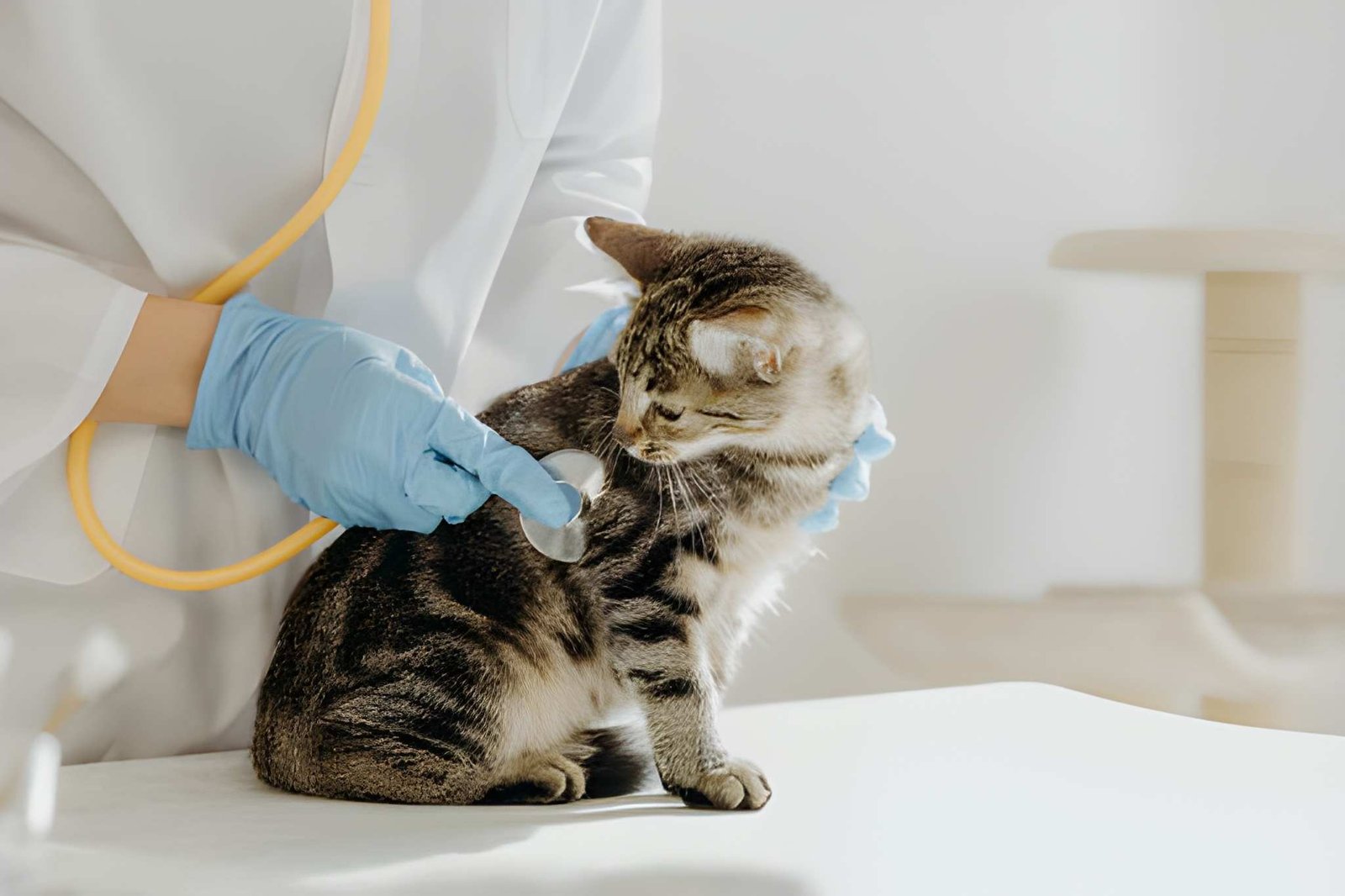
If there’s one thing that transcends language barriers, it’s health, especially when it comes to our furry babies. In the United States alone, there are approximately 45 million Spanish speakers. Many of them lack access to a wide range of services simply because of the logistical barrier of language, and even those who are bilingual often prefer services that accommodate their native language. The real question here is which veterinary clinics are making the most of this market opportunity? And, most importantly, is your clinic doing it?
Your First Impression Shouldn’t Be Just Cute Kitty Photos
Veterinary clinics are increasingly relying on digital channels (websites, search, social, email, and automation) to reach more people, manage demand, and retain the loyalty of valuable pet owners. Posting funny cat videos and cute dog haircuts every day is not enough to have success in this market, and statistics have shown that addressing marketing in Spanish can help to give the boost that you need.
The work that has to be done right now goes deeper; it needs to target two fronts: human psychology and algorithmic structure.
Search engine optimization, especially when working with marketing in Spanish, is a big advantage for veterinary clinics that helps to reach a wider audience and maintain long-term digital health when facing the competition. Hispanic patients want to be seen; they want to trust and schedule consultations with practices that speak their language.
5 Steps to Take If You Want to Attract Pet Owners
The success of veterinary clinics depends on the strength of their online presence. Here are five steps to achieve it:
1. Remember You’re Talking With Their Parents
Content creation is challenging in any language, but we have to admit it, we love to create content for pet parents, it doesn’t matter the culture, when love is the main communication channel.
Romanticism aside, addressing Hispanic culture properly using the right words in their native language can create a much stronger emotional connection than a cute post with an understandable caption. When people feel that you’re speaking directly to them, they’re much more interested in your clinic.
2. Leverage Google to Your Advantage
A 2026 US News & World Report survey of 1,500 pet parents found that 1 in 3 spend more on their pets each month than on their own health and wellness, and 65% say they’d cut their own lifestyle expenses before reducing what they spend on their furry babies. When they search for the “Best Veterinary Clinics” on Google, they aren’t doing it out of curiosity; they mean business.
Even in the age of AI, determining which clinics are truly “the best” remains a gray area for search engines. Generally, Google displays a ranking of the most SEO-optimized clinics. If your clinic is truly top-tier, shouldn’t your online presence reflect that? Ensuring your information is up-to-date and implementing a solid SEO strategy in both languages is essential to staying ahead.
🥼 Read more: Localization for Veterinary Clinics: How to Use Keywords to Reach Pet Owners Near You
3. Create Valuable Content
One thing that constantly makes us roll our eyes is when we hear that “a social media presence is enough.”
Allow us to respectfully disagree: truly effective marketing for medical practices (and this includes veterinary clinics) requires more than just a social media presence.
You need visibility, credibility, and trust; something a well-designed website can provide. You should also keep in mind that using a solid marketing strategy in Spanish would help you attract even more potential clients.
But hey, creating content is hard; a helping hand (or paw) from an expert never hurts.
🥼 Read more: Veterinary SEO: An Effective Guide to Grow Your Pet Clinic
4. Cultivate Your Relationship With Your Followers
Don’t leave questions unanswered. Responding quickly and kindly humanizes your veterinary clinic. Use your website to show the faces of your team and your beautiful patients. I assure you that your audience wants to know much more about those cute puppies or kitties that you helped.
A lot of clinic owners don’t want to answer their comments on social media; don’t be one of those. Social media is an open channel, and your business feeds directly from empathy and cute animals; don’t be afraid to have a little chat.
5. Avoid Machine Translation Tools
This is the most common mistake when working with marketing in Spanish. It’s easy to think that, with today’s new technologies, machine translation tools are good enough to let AI handle the work.
The problem is that without human judgment and the full range of human emotions, it’s very easy to lose touch with your audience, especially when dealing with Hispanic audiences.
FAQ
Why should my veterinary clinic invest in Spanish marketing?
With roughly 45 million Spanish speakers in the United States, ignoring this audience means leaving a significant share of potential clients on the table. Beyond the numbers, Spanish-speaking pet owners are far more likely to trust and choose a clinic that communicates in their native language.
Is having a social media page enough to attract Hispanic pet owners?
Not quite. Social media is a great starting point, but it works best as part of a broader strategy that includes a well-optimized website, local SEO, and content that actually speaks to your audience, literally and culturally. A bilingual digital presence builds the kind of credibility that turns a casual visitor into a loyal client.
Can't I just use Google Translate or AI tools for my Spanish content?
Automatic translators have come a long way, but they still miss the cultural nuances, regional expressions, and emotional tone that resonate with Hispanic audiences. A mistranslation or an awkward phrase can quietly push potential clients away. Human-reviewed, culturally informed content will always outperform a machine-only approach.
How does SEO help my veterinary clinic reach Spanish-speaking pet owners?
When someone searches for “the best veterinary clinic near me” — in English or Spanish — Google ranks results based on how well-optimized each clinic’s online presence is. A solid bilingual SEO strategy ensures your clinic shows up for both audiences, doubling your visibility without doubling your effort.
What kind of content should I be creating for Hispanic pet owners?
Think beyond promotions. Educational posts about pet health, behind-the-scenes looks at your team, patient success stories, and answers to common pet care questions all build trust over time. Content that acknowledges Hispanic culture and uses the right language signals that your clinic genuinely welcomes this community.
How quickly do I need to respond to comments and messages online?
As quickly as possible, ideally within a few hours. Pet owners reaching out online are often worried or in need of guidance, and a fast, warm response can be the difference between booking an appointment and moving on to the next clinic. Responsiveness is one of the easiest ways to humanize your practice
More Than Translation: Reaching Your Patients’ Hearts
From understanding your audience to mastering Google searches, every step counts in strengthening your brand. Remember that marketing in Spanish isn’t a one-off task, but an ongoing commitment to your community.
Translating words is an easy thing to do, but conveying a message that resonates with your patients’ hearts and emotions, that’s another story. By doing so with respect and authenticity, you’ll not only attract new patients but also earn the loyalty of those who already trust in your talent and professionalism.