

Healthcare website design is now a key factor in helping every practice achieve better results and stand out locally. In the modern era, your website is your practice’s front desk, so to attract patients and retain them, make sure they can easily manage appointments, access medical records, view lab results, and contact your clinic. But how do you achieve this? The truth is that it’s about combining aesthetics and functionality in every aspect of your practice’s website by following five essential elements.
Healthcare Website Design to Create a Digital Environment
Instead of thinking of your practice’s website only as a place where patients schedule appointments, think of it as a complete digital environment that works across devices and makes it easy for patients to take action. Before starting your healthcare website design, make sure it includes these elements:
- Patient-Centered UX and Clear Navigation
- Credibility and Medical Authority
- Mobile Accessibility
- Local SEO = Austin-Specific Content
- HIPAA-Conscious Forms and Data Security
Patient-Centered UX and Clear Navigation
Patients should be able to find everything they need quickly, so navigation should be organized around their needs, not your clinic’s internal structure. Your website must include elements like clear service and condition pages, visible appointment scheduling, and click-to-call phone numbers so visitors can access your services more easily. Likewise, your patient portal should be direct and simple for patients looking for lab results, medical records, or appointments.
📺 Watch this short webisode on Key Elements to Consider When Building a Website
Credibility and Medical Authority
Most people don’t read your website; they “scan” it, so your website must build confidence and show your clinical authority. You can achieve it by showing your staff credentials and certifications in optimized profiles that also allow people to discover who their next provider will be. Additionally, if your website has patient reviews and testimonials, visitors will have realistic expectations before contacting you or scheduling an appointment.
💭Using real photographs of your clinic or treatment videos builds more trust and helps you connect with your patients.
Mobile Accessibility
Today, almost everyone who finds your practice does so after a quick mobile search, using AI models or traditional search engines; therefore, every feature on your website must be optimized for safe, smooth mobile navigation. However, if you are not sure about your mobile page, check that it has the following elements.
- Responsive layouts
- Readable typography
- Accessible color contrast
- Keyboard navigation
- Screen-reader compatibility
- Fast-loading pages
🥼Discover: Website Design for Medical Practices in Austin: Why Silicon Hills Patients Can Spot an AI Template
Local SEO = Austin-Specific Content
Imagine a clinic that doesn’t explain its treatments to patients; well, overlooking SEO content on your website is the same kind of oversight. Your goal with healthcare website design is to help your patients find your clinic when they ask for medical services in Austin, and you need local SEO to achieve it. Although many people think it is just about repeating “Austin, TX” in every piece of content you post, it is really about building a solid local presence through individual and optimized service and condition pages, accurate name, address, and contact information, and Google Business Profile integration.
📍If your clinic serves patients from Round Rock, Cedar Park, or South Austin, create local content for these locations to reach the right patients.
HIPAA-Conscious Forms and Data Security
A medical website can record sensitive information, which brings a constant risk of HIPAA violations. To protect your practice, data security should be considered during the design stage through secure appointment request workflows, properly configured patient portals, SSL and secure hosting, and appropriate access controls. Additionally, for specific processes, consider careful management of analytics and tracking scripts and HIPAA-compliant handling of protected health information when applicable. Not every contact form needs to ask for symptoms, diagnosis, or medical history; keep only the information you need.
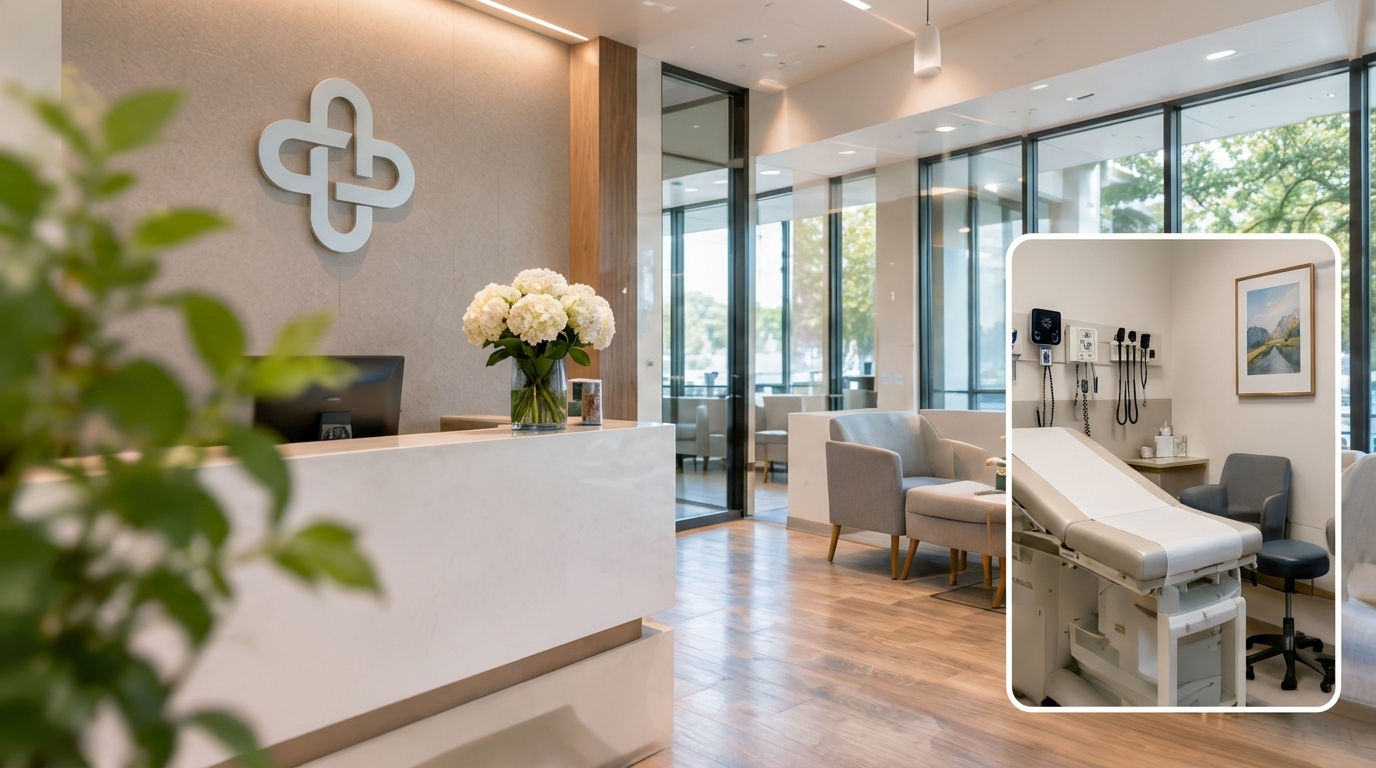
Authentic Photography
Including real photos of your clinic and staff gives website visitors an authentic look at your operations. This builds trust by humanizing your practice and letting patients know what to expect during their visit. The more real photos patients see, the more they trust your practice
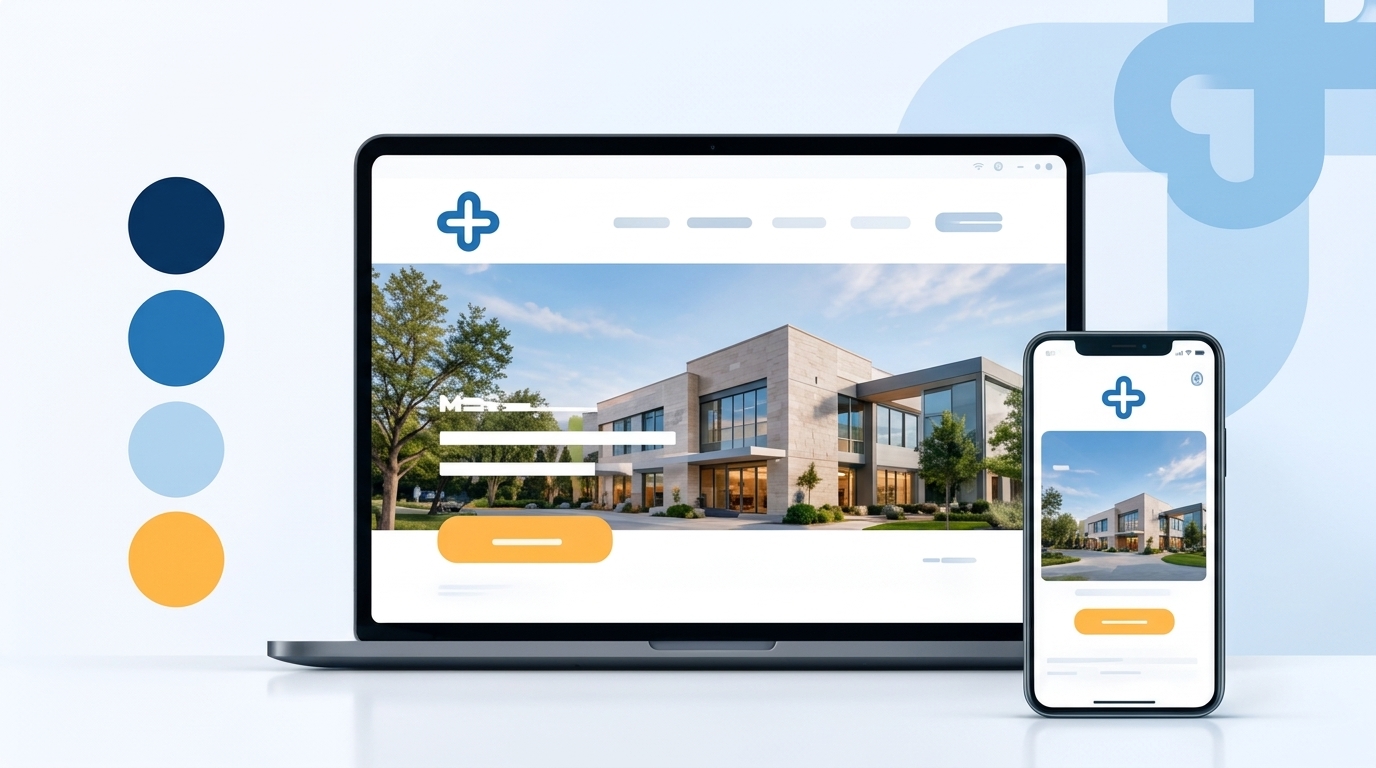
Distinctive Visual Identity
Some providers forget that they need to treat their practices as a brand to stand out locally and help potential patients find them; therefore, before starting your website development, align your design with your practice’s visual identity to stand out and avoid a generic medical look.
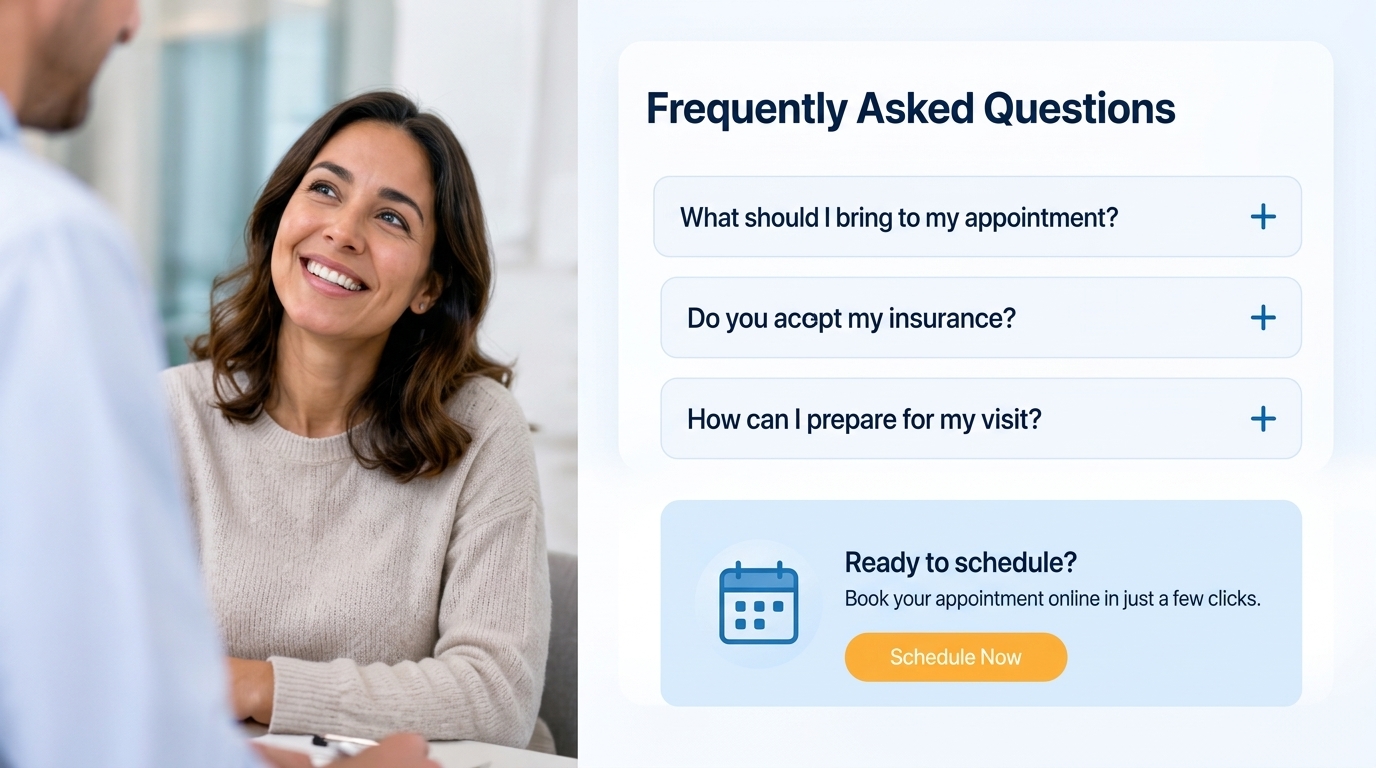
Patient-Friendly Content
Answer common questions, provide clear information, and use visual hierarchy so visitors can see a friendly but reliable provider before they reach out. They can also get a sense of your tone and voice, which helps them feel more comfortable reaching out.
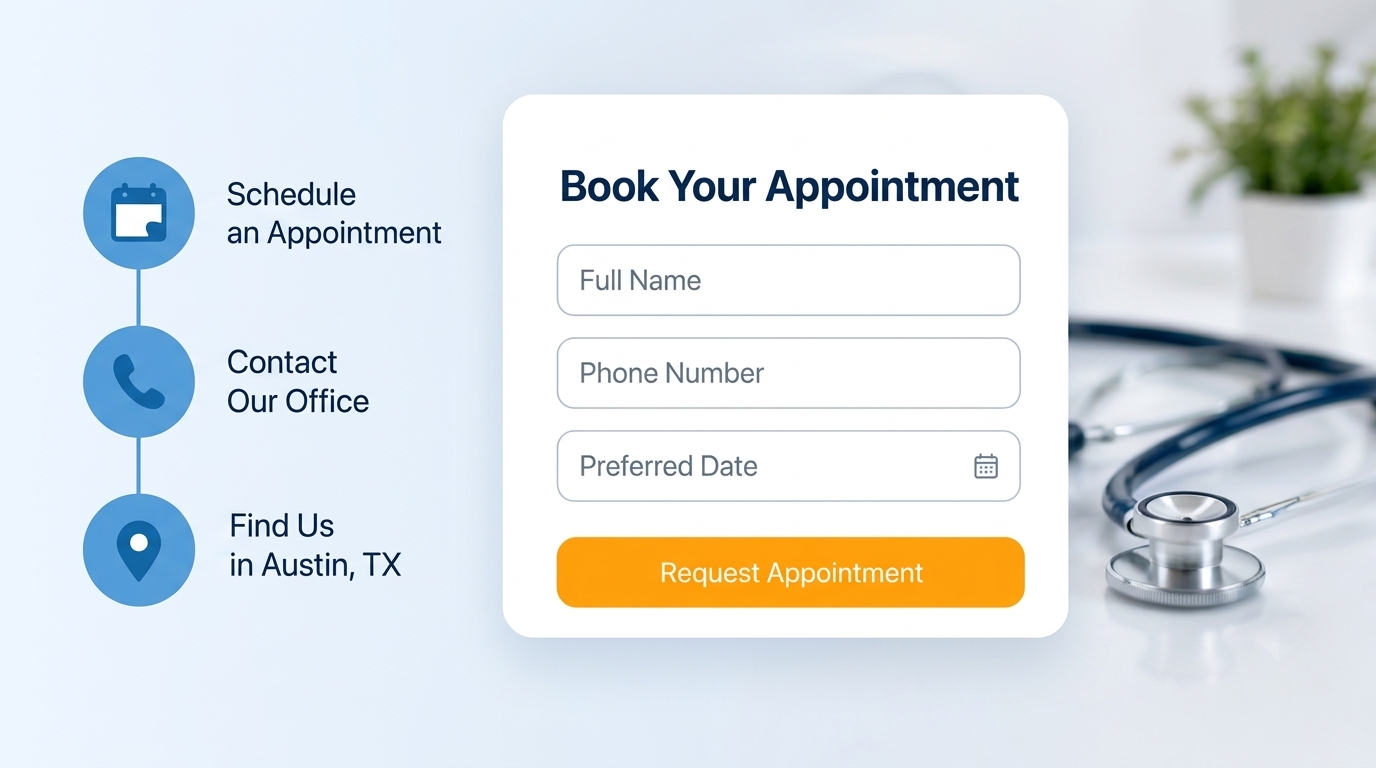
Frictionless Conversion
Make every process simpler for your visitors. Place a clear CTA throughout the site, and use a minimalist design for your contact and services pages so your potential patients don’t struggle to schedule an appointment or contact you.
Featured Posts

4 Tips for the Best Website Design for Medical Practices
Nowadays, one of the most decisive factors for any medical practice to have is a modern, optimized website, as it works both as an introduction for new patients and as a way for your loyal patient base can have access to information and other benefits, like a portal....
Website Design for Medical Practices in San Antonio: A Second Opinion on AI-Built Sites
Website design for medical practices in San Antonio got a lot easier the day AI tools learned to build a homepage in minutes. It also got a lot more crowded (Hooray!). Scroll through enough clinic sites in Bexar County, and you’ll notice they’re starting to look kind...
FAQ
What should a healthcare website include?
A successful healthcare website should include clear service pages, provider profiles, appointment scheduling, accepted insurance information, patient resources, and accurate contact details. It should also feature mobile-friendly navigation, accessible design, secure patient communication, and relevant educational content.
How much does healthcare website design cost in Austin, TX?
The cost of healthcare website design in Austin, Texas, depends on the website’s size, functionality, design requirements, and integrations. A small medical practice website with essential services pages will generally require a different investment than a multi-location website.
How long does it take to build a healthcare website?
A healthcare website can take several weeks to develop, although the timeline depends on its complexity, number of pages, design requirements, and integrations. A smaller practice website may require less time than a multi-location platform with custom scheduling, patient portals, and extensive medical content.
Be the New Standard in Healthcare Website Design in Austin
Standing out in Austin’s fast-paced healthcare market is harder than ever with AI models and the constantly changing way people find medical services or new providers. However, with a good planning process and consideration of all these features mentioned above, your website will not only stand out, but it will be the new standard for healthcare website design in Austin.
Meet the essentials and go the extra mile for your practice’s website; if you are not sure where to start, our experts can help.

Willie White Coat, AKA Graham Dunlap
Graham is a digital strategist with 10+ years of experience leading marketing teams. As the co-founder of White Coat Web, he focuses on modern SEO/GEO and digital growth, helping medical practices expand their online visibility and revenue while adapting to continuously evolving industry techniques.
In his words, “We’re passionate about people, so you can be passionate about your patients.”