

Healthcare SEO is all about making your practice known in an organic way, with the help of search engines. Usually, when it comes to marketing, many automatically think of paid ads on social media. But marketing strategies are not only about promoting your services in a flashy way on different platforms, and although ads are a helpful way to make your practice known, SEO is also a great plan of action to put you in your people’s radar.
How does this work? Well, this strategy mixes both understanding of search engine optimization and the way users search and experience information on the internet, to give the best possible results—making it easier for you to be found by the right people (your patients), at the right time (when they need you).
Healthcare SEO: A Game Changer for Your Medical Practice
Picture this scenario: someone is looking for a specific solution to a problem they have related to their health. They start doing what almost everyone does today, go to Google and type “[insert ailment] doctor near me”, then a world of possibilities lies beyond, just in the palm of their hand. They would go through everything, proximity, reviews, working hours, accessibility, and more. Eventually, they choose your healthcare services.
Maybe what did the trick were your working hours, it could have been the proximity to their place, or some content on your website that cleared up an important doubt, or perhaps the right review made them feel they could trust you. Whatever it was, it wouldn’t have been possible if you hadn’t been on the internet, following SEO strategies.
📺 Watch our 4-minute webisode: What Is SEO?
What Can Healthcare SEO Do for Your Medical Practice?
Healthcare SEO strategies include various essential aspects for it to be successful on getting you close to your patients, some of them are:
1. Local SEO: Makes Your Practice Easy to Find
There was a time where, to look for a specific place, one would have to search in the yellow pages to find the name of the business, as well as their phone number and address. Well, getting listed on GBP is like enrolling in a modern, improved and free version of it. When it comes to providing services in specific locations, this visibility strategy would literally put you on the map of the world, at least in terms of Google—and honestly, if you aren’t on Google, do you really exist?
This strategy is one of the best ways to put your practice in the radar of the people who need you. Thanks to the different personalization options, you can let them know all the basic information they need to know before going to you, like:
- Phone number.
- Address.
- Working hours.
- Services and information.
- Accessibility arrangements.
- Photos.
- Reviews (more on this below 👇)
And all the details you want to provide to your patients, to help them know why you’re the right choice for them.
2. Reviews: Boosts Trust and Credibility
Review management can be a decisive factor in why patients decide to go to you instead of the competitors. At the end of the day, it is one of the foundations for them to trust you and your practice.
Think about it: you wouldn’t go to a restaurant that is ranked 2.5⭐ when there’s another one ranked 4.8⭐ that offers the same services—your patients wouldn’t either. That’s why this is one of the most important aspects to help you promote your healthcare services and build credibility.
How to gather reviews? You could ask your patients to leave a review verbally, or through CTAs on your website or social media. It’s important to encourage them to do it, because positive reviews can boost your online reputation, in addition to letting you know what could be improved through their suggestions and opinions.
🥼 Related content: Medical Review Management: 5 Powerful Reasons You Need It.
3. Keywords: Talk Your Patient’s Language
Knowing which words your patients use to look up information, or to find services like yours, is going to make it simple for you to provide them exactly what they need. These are what we call keywords, and they are the heart of an effective healthcare SEO strategy.
Not all practices and healthcare providers offer the same services or stand out for the same qualities. Using the right keywords is a fantastic SEO strategy to communicate what services you offer and what makes you uniquely you.
📺 Watch our 3-minute webisode on keywords: what are they?
4. Website: Your Practice’s Virtual Front Desk
Think of your website as the virtual front door to your practice–where, after landing on your home page, people would feel as if they were in the lobby. Where they can learn about your services and providers, schedule an appointment, and much more.
A website designed for medical practices is both a place that reflects your uniqueness mixed with on-site SEO, and where your patients find and learn about you. So they’d probably expect an experience similar to your real-life services, making it important to remember to focus on them and their experience as users.
Consistency is key at this point, which includes aspects such as:
- Consistent branding.
- Updated information.
- Educational content.
- Keyword integration.
🥼 Read more: 5 Medical Website Planning Tips for Healthcare Providers.
Examples of Effective Medical Website Design
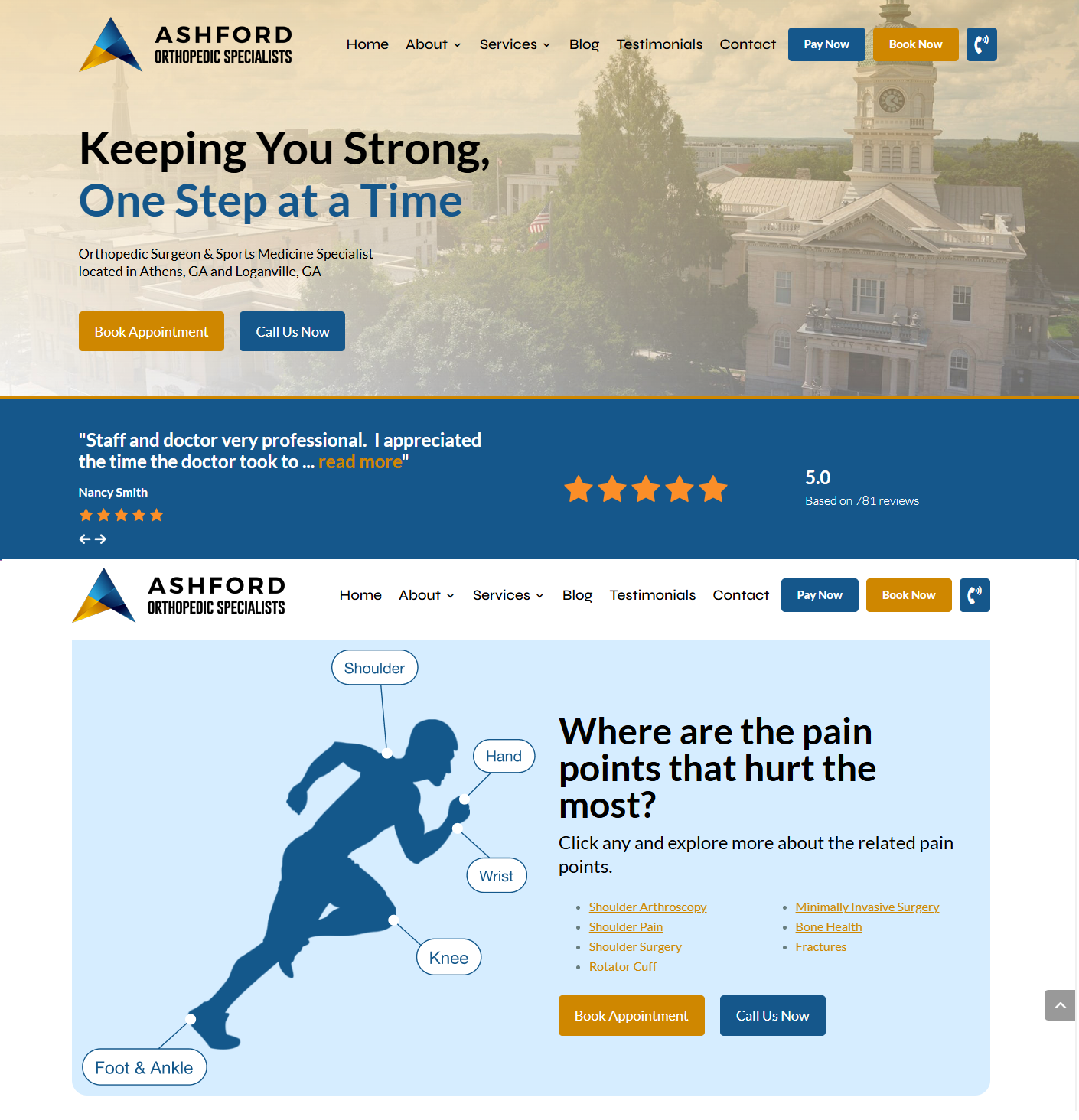

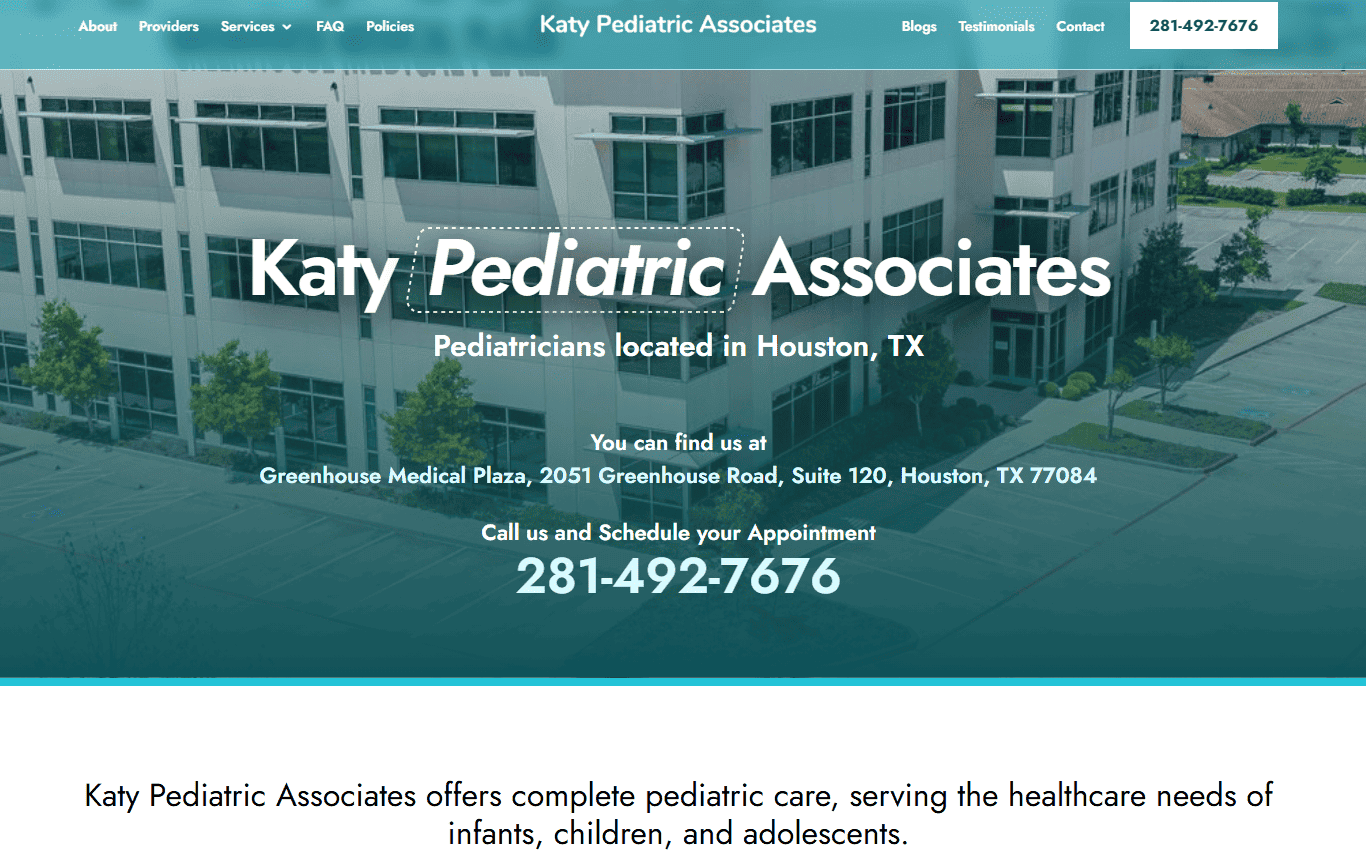
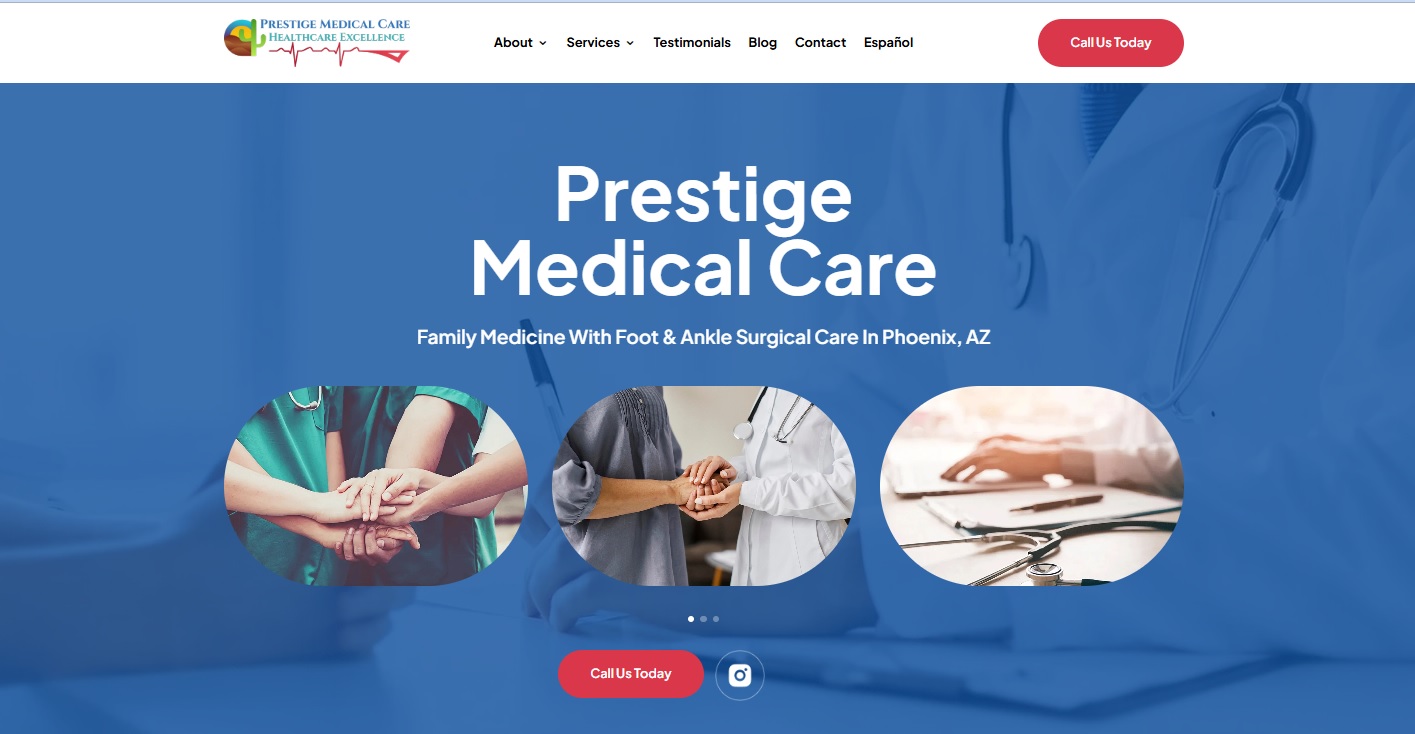
5. Technical SEO: Improve Healthcare SEO Rankings
If on-site SEO is about user experience and traffic, SEO readiness is all about working with the website structural parts–or backend–and optimizing them to make it a good candidate for SEO. How? Making it easier to understand, crawl and index for search engines like Google. This is a technical but fundamental part of your website, since it’s going to be the foundation in which on-site SEO and user experience will be sustained.
In most occasions, this would require a web developer to include and implement some important aspects to help your website rank higher, such as:
- Fast loading.
- Mobile responsive.
- Structure and navigation.
- Website security.
- Sitemaps.
6. Content: Connect With Your Patients
At this point, why healthcare SEO you have achieve:
- Improve your rankability with Technical SEO.
- Give your website visibility with On-site and local SEO.
- Be found easier, in your people’s language with SEO keywords.
But we’re still working on building that connection and trust necessary for your healthcare services. Positive reviews do a lot to build trust, but for connection, that’s what content is for. With the right content–while using the right keywords–you could address frequent concerns and questions related to health that anyone might have. Namely:
- Blog posts.
- FAQ.
- Case studies.
- Providers information.
- Patient’s testimonials.
This also would help you establish authority in your field, especially if it’s educational and valuable content.
🥼 Read more: 4 Medical Marketing Mistakes That Hurt Patient Trust.
Put Healthcare SEO to Use for Your Practice With a Team of Marketing Experts
A competitive field like the online world makes it so you can’t let your guard down if you want to keep relevance, especially when it comes to marketing strategies and SEO, which upgrade and change constantly. At White Coat Web we know and understand that, and we can help your practice grow and get visibility in the digital market, while you only have to worry about keeping your patients as healthy and happy as possible.
Contact the experts to take care of your healthcare SEO, so you don’t have to worry about keeping up with SEO strategies.